Topic Four
I’m struggling with my emotions and it’s effecting my relationships with people
What will I learn?
In these learning sessions, you’ll learn answers to these the big question:
-
- Emotions
- How to Cope
- Boundaries
- Rights
- Self Care
Everyone has triggers. Triggers are thoughts, words, gestures, or actions that cause someone to explode with feelings.

Click to reveal
1. When you feel triggered, take deep breaths. Say to yourself that you can choose how you want to react.


You can always call Childline for free on 1800 66 66 66.



- Jigsaw – this website provides information and support on mental health, including on emotions.
- Spunout – Dealing with difficult emotions article.
- The Hideout – Dealing with feelings (Do’s and Don’ts) article.
- A Lust for Life – this website provides advice on how to be effective guardians of our own minds.
- A booklet on 15 things to do if you’re feeling lonely: For young people.


1. Physical
These are boundaries relating to your body and the space around you.
An example of someone crossing your boundary:
-
- They touch you in a place you are not comfortable with.
An example of a physical boundary:

2. Emotional
These are boundaries relating to your emotions and how you feel.
An example of someone crossing your boundary:
-
- They call you names that you are not ok with and they make you feel bad about yourself.
An example of a emotional boundary:
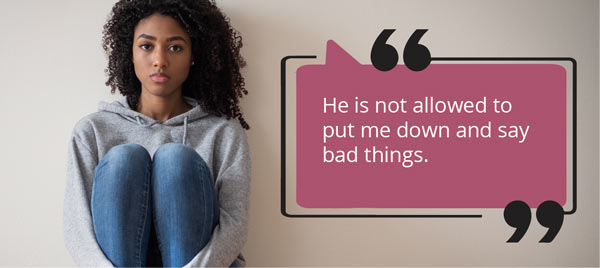
3. Relationship
These are boundaries relating to your relationships with friends, family, carers, etc.
An example of someone crossing your boundary:
-
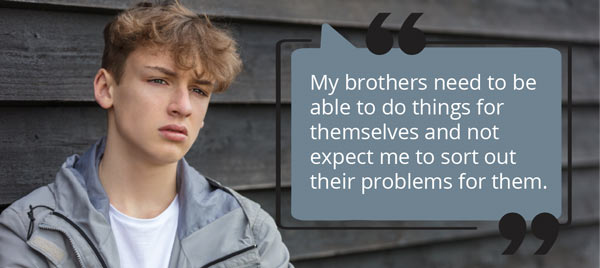
- They make you feel drained by constantly telling you their problems and wanting you to solve them all.
An example of a relationship boundary:
4. Mental
These are boundaries relating to your mental state.
An example of someone crossing your boundary:
-
- They say something about your friend that you don’t like. Something about it doesn’t feel right.
An example of a mental boundary:

5. Financial
These are boundaries relating to your money and savings.
An example of someone crossing your boundary:
-
- They are always borrowing money and never pay it back.
An example of a financial boundary:

6. Sexual
These are boundaries relating to your ideas and experiences around sex.
An example of someone crossing your boundary:
-
- They insist you watch porn and you are not that comfortable with it.
An example of a sexual boundary:


Select each person to see examples of rights we have.
“We have the right to say no or yes.”

“We have the right to change our mind.”

“We have the right to say how we feel about something.”

“We have the right to be listened to.”

“We have the right not to be responsible for another person.”

“We have the right to be treated with respect.”

“We have the right to our feelings.”
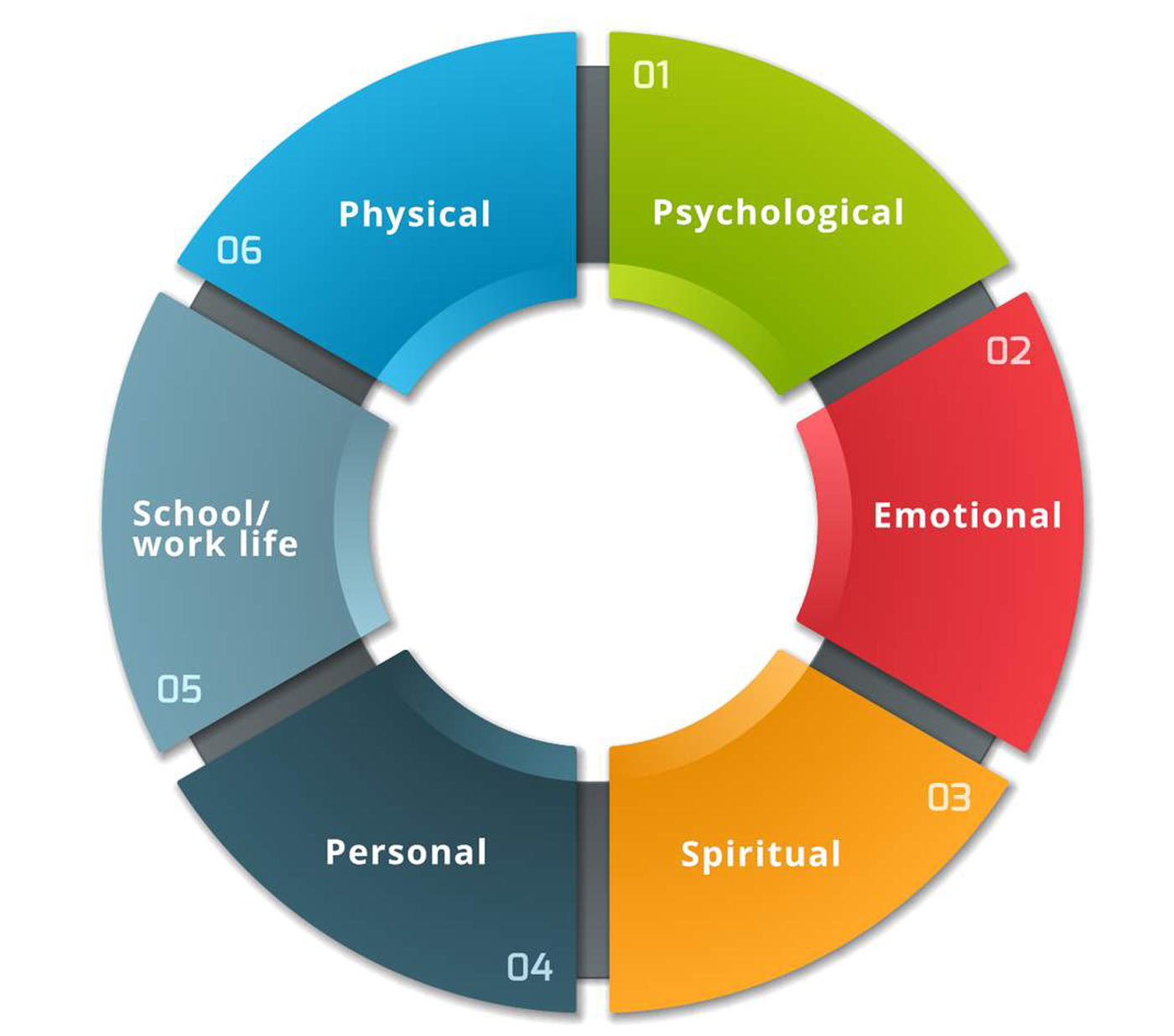

Psychological
This is about keeping a healthy mind and ways of thinking.
Tips:
1. Write down your thoughts in a diary every day.
2. Ask yourself:
‘What am I thinking?’
‘Is this good for me?’
3. Join a group so you are not spending all day in your own thoughts.

Emotional
This is about how you are feeling every day.
Tips:
1. Ask yourself: ‘How am I feeling today?’
2. Talk to yourself as you would talk to a friend (in a positive way of course).
3. Look for things that make you laugh.

Spiritual
This is about your place in the world and your well-being within it.
Tips:
1. Spend time in nature - a quiet space where your head gets some peace
2. Forgive yourself for past mistakes.
3. Take deep breaths.

Personal
This is about who you are and what makes you happy.
Tips:
1. Listen to your favourite music.
2. Treat yourself from time to time.
3. Call a good friend and have a chat.
4. Turn off screens after 9pm (more often if you can).

School/work life
This is about having a good school/work life and making the most of it.
Tips:
1. Set a time for study/homework/reading a new book each day.
2. Take regular breaks.
3. Praise yourself when you do well and don’t put yourself down when you want to do better.

Physical
This is about keeping a healthy body.
Tips:
1. Get enough sleep every night - 8 hours minimum will help your mood when you wake up.
2. Meet up with positive friends whenever possible. Limit screens.
3. Your diet helps your mood. Limit high sugar foods or sugary sports drinks which can cause a spike in our mood if consumed too often.
For apps for relaxing, meditating and getting more sleep:
For more tips on how to look after yourself: